

How Air Blasters Drive Industrial Progress ?
Jun 02, 2026
Leave a message
In your professional career to date, have you ever stopped to consider this question: How do pneumatic air blasters safeguard industrial production? Have you ever gazed at the massive silos or hoppers within a factory and wondered why they don't constantly get clogged? The secret, in fact, is quite simple-a device known as an industrial air blaster. These powerful machines utilize stored compressed air to dislodge stubborn buildup, ensuring that production processes flow smoothly and without interruption.
How do they work? How do air blasters keep industrial operations running? Picture this: An air blaster system sits quietly in place, its reservoir filled with compressed air. When a blockage occurs-perhaps material clogging an outlet or forming a "rat-hole" channel-the system triggers a signal, instructing the valve to activate.
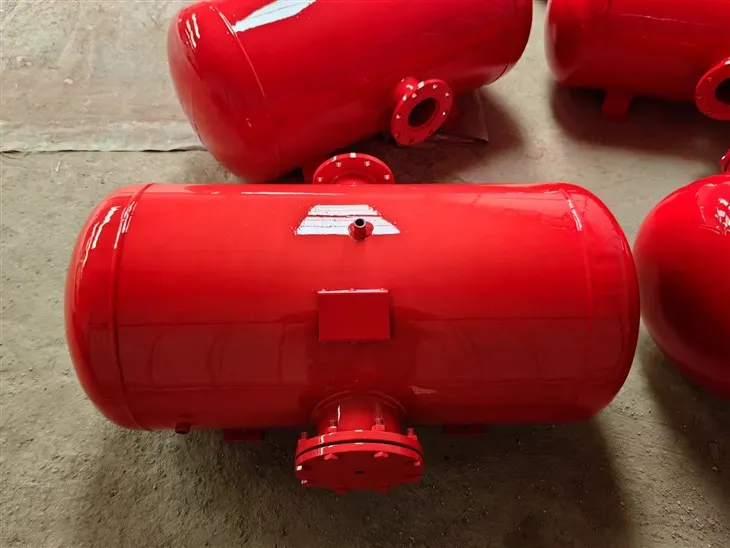
The valve snaps open, and the entire volume of air surges out instantly, blasting through a nozzle directly into the clogged material. The resulting shockwave shatters the obstruction, and material flow is immediately restored. This method is far superior to simply banging on the sides of a hopper or relying on mechanical vibrators.
Typically, only a relatively low pressure-approximately 60 to 80 PSI-is required. This pressure is sufficient to agitate the material without wasting air or subjecting the equipment to excessive stress. However, when dealing with heavy materials such as iron ore, wet sand, or caked chemicals, the pressure must be significantly increased-sometimes reaching as high as 150 PSI or even higher. The greater the pressure, the stronger the impact force, and the more effectively stubborn blockages can be cleared.
Controlling this pressure is both an art and a science. Too little pressure, and the flow stagnates; too much pressure, and you merely waste energy and accelerate equipment wear. The objective is to achieve a stable and reliable flow of material without squandering resources.
An air blaster system is more than just an air tank and a nozzle; it is a cohesive, integrated unit. It comprises a reservoir (the vessel that stores the energy), a control panel (the "brain" that governs the entire operation, including timing), and a nozzle (the component that precisely directs that force exactly where it is needed).
These systems can be found almost everywhere-in cement plants, steel mills, power stations, mines, chemical plants, and even in food processing facilities where hygiene standards are exceptionally rigorous. They handle a vast array of materials, ranging from limestone and coal to sugar and plastic pellets.